Essential Roofing Maintenance Tips for Homeowners
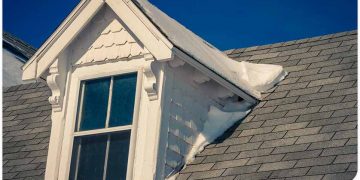
Regular maintenance is crucial for extending the lifespan of your roof and preventing costly repairs. Homeowners should conduct routine inspections, clean gutters, and check for signs of wear and tear, such as missing shingles or leaks.
For example, inspecting your roof at least twice a year and after severe weather can help you catch potential issues early. Keeping gutters clear of debris ensures proper drainage, which is vital for preventing water damage to your home.
The Benefits of Metal Roofing for Commercial Properties
Metal roofing is becoming increasingly popular for commercial properties due to its durability and energy efficiency. It provides excellent protection against harsh weather conditions and can significantly reduce energy costs through its reflective properties.
Moreover, metal roofs often come with longer warranties than traditional roofing materials, making them a cost-effective choice in the long run. Many businesses are also opting for metal roofs because they require less maintenance and can be recycled at the end of their lifespan.
Understanding Different Roofing Materials
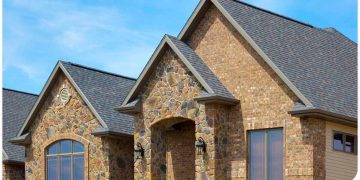
Choosing the right roofing material is essential for ensuring the longevity and performance of your roof. Common materials include asphalt shingles, metal, tile, and slate, each offering unique benefits and aesthetic appeal.
For instance, asphalt shingles are popular for their affordability and ease of installation, while slate offers a timeless look and exceptional durability. Understanding the pros and cons of each material can help homeowners make informed decisions that suit their needs and budget.
How to Choose the Right Roofing Contractor
Selecting a qualified roofing contractor is vital for ensuring a successful roofing project. Homeowners should look for contractors with proper licensing, insurance, and positive reviews to ensure they receive quality workmanship.
Additionally, obtaining multiple quotes and asking for references can help homeowners compare services and prices. It's important to communicate your needs clearly and ensure the contractor understands the scope of the project to avoid misunderstandings later on.